Key Takeaways

  • Your exec team is your first team – they represent the company, not engineering or sales or product
  • “Disagree and commit”: have all the arguments you want behind closed doors, but once you leave the room, everyone speaks the same language
  • Build behavioural expectations into performance reviews – it’s not just what you deliver, it’s how you show up
  • Making leadership meetings productive: concrete weekly check-ins with specific examples
  • The trait founders need most: the ability to pivot when the data says otherwise

The Rule That Stops Teams From Fragmenting

The biggest mistake growing companies make with leadership teams isn’t hiring the wrong people. It’s letting each exec represent their function instead of the company. When your Head of Engineering advocates for engineering, your Head of Sales advocates for sales, and your Head of Product advocates for product, you don’t have a leadership team. You have a collection of lobbyists.
The shift the panel describes is simple but hard to execute: your exec team is your first team. Not your department. Not your function. The company. That means when there’s a disagreement about priorities, resources, or direction, the argument happens behind closed doors. Once you leave the room, the rule is everyone’s on the same page. “Disagree and commit” isn’t a slogan. It’s how you prevent rumour mills, silos, and the slow fragmentation that kills scaling companies from the inside.
The panel goes further: this needs to be built into how you evaluate leadership performance. Not just what they deliver, but how they show up. Do they represent the ELT’s decisions consistently? Do they handle disagreement constructively? Are they willing to be wrong? Anthony Meek describes weekly check-ins with concrete examples to hold this standard. And the panel agrees on the most important quality a founder can have at this stage: strong opinions, loosely held. If you can’t pivot when the data says you’re wrong, the business will fail – no matter how good the leadership team around you is.

You can have all the arguments you want behind closed doors with your leadership team, but once you leave the room the rule is everyone’s on the same page.

— Pavi Iyer, Head of People & Talent, Fortiro

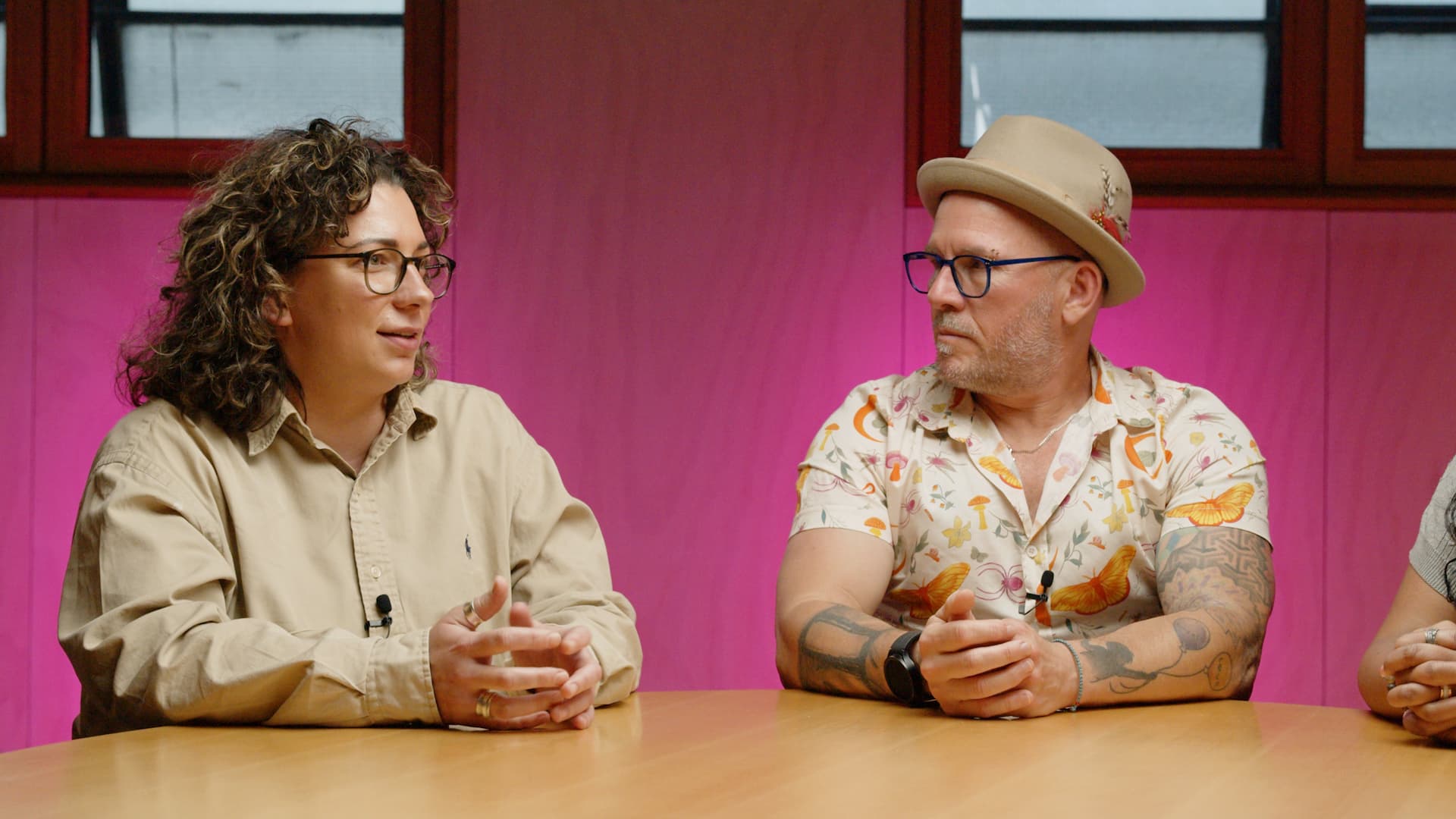
Featured People Leaders

Michael Delaney – Head of People & Culture at JET Charge. Ex-Preezie. Blends people-first leadership with AI-driven strategy to build teams that scale. Former professional ballet dancer with 20+ years in talent and culture at Salesforce, DocuSign, and high-growth startups. Co-hosts the Talent Savvy podcast and leads diversity initiatives with Jobs for Humanity.

Sarah Sherriff – People Experience Manager at Factor House. The Melbourne-based engineering-led software house behind Kpow and Flex. Builds people and culture in “by engineers, for engineers” environments. 13+ years in talent acquisition and people operations across high-growth scale-ups. Joined Factor House after their $5M Seed round to support scaling from 15 to 30+.

Pavi Iyer – Head of People & Talent at Fortiro. Purpose-driven people leader with a background in medicinal chemistry and experience across global organisations, startups, and co-founding a coffee business. Champions workplace cultures that enable individual and organisational growth, and advocates for empathy, mentorship, and supportive networks in the Victorian talent community.

Anthony Meek – Chief People Officer at Edrolo. Australia’s leading edtech. Reformed teacher and people-and-culture champion with an MBA and background in organisational psychology and therapy. Has led Edrolo through two CEO transitions while scaling the team to 200+ and speaks widely on burnout, trust, and building teams you can rely on.