Investor Red Flags Founders Should Avoid
2:25 mins

Key Insights
We asked top investors in Victoria what makes them pause or walk away in founder meetings. Their answers highlight the most common warning signs that derail momentum early in a raise.
- Early ego signals can hurt confidence fast, especially when team dynamics look unbalanced in the room.
- Brett Ogilvie (Pacific Channel) flags overuse of “I” instead of “we” as an early warning sign of team risk.
- Nicholas Ooi (Investible) says founders raising while not fully committed to the business are often screened out.
- Betty Zhang (Boson Ventures) emphasizes trust and candor, unclear communication can kill conviction quickly.
- Hugh Stephens (Galileo Ventures) highlights venture model fit, meaningful businesses can still be a mismatch for venture returns.
Video Transcript
What investor red flags should founders avoid?
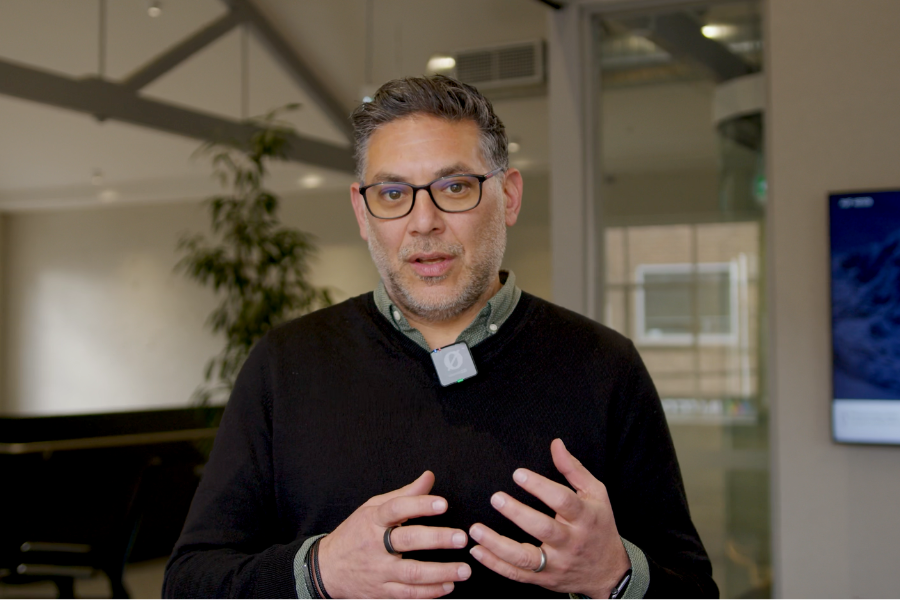
Brett Ogilvie, Pacific Channel
It is a tough balance. We are looking for global aspiration to build a billion-dollar business, but we do not want narcissists. A red flag is seeing “I” and “me” repeatedly in early meetings. If there are two or three colleagues in the room but only one person speaking, that is an immediate concern. Another common red flag is a founder who is not full-time in the business.
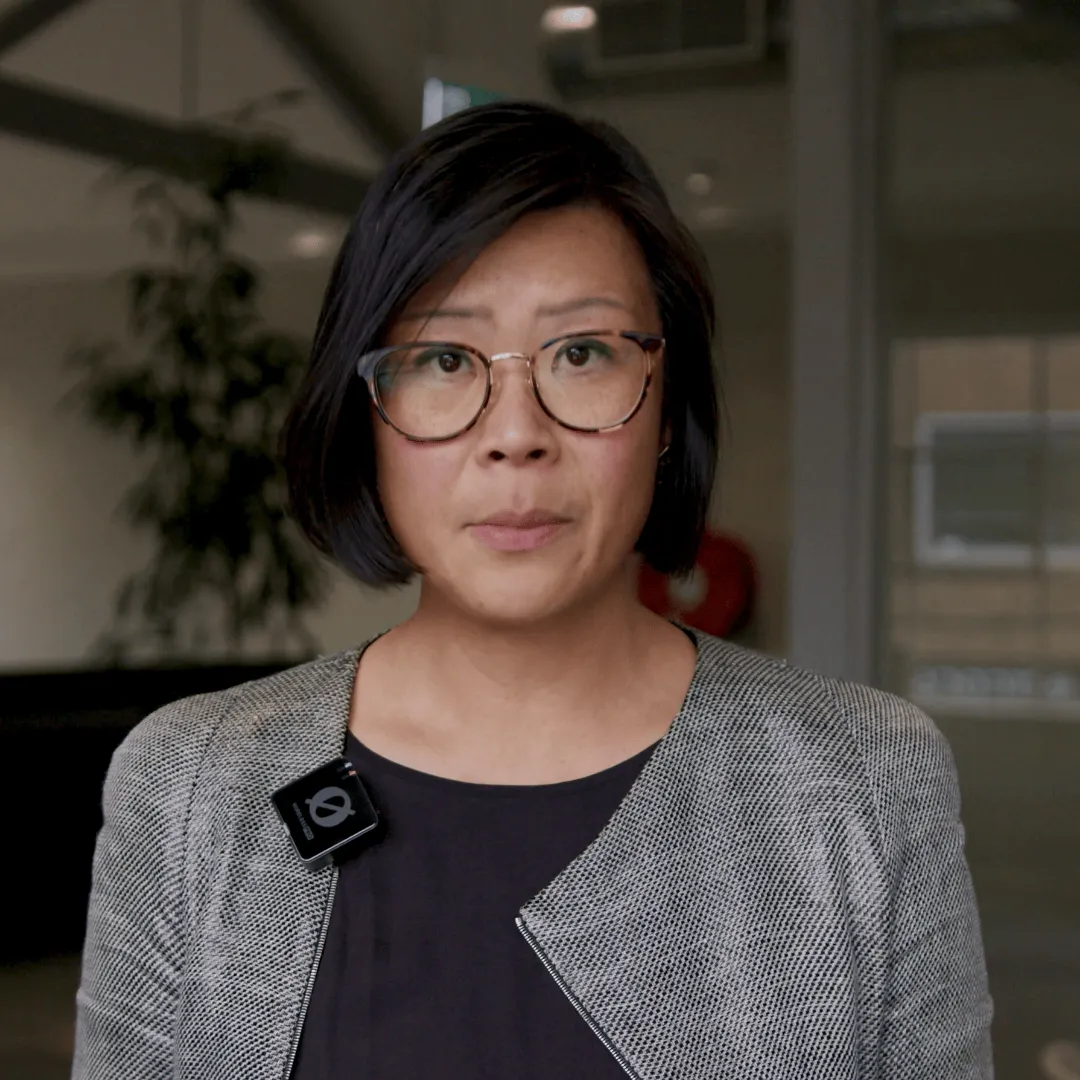
Nicholas Ooi, Investor, Investible
If a founder is not fully committed while trying to raise, that is definitely a red flag. Investors want to know founders are fully invested for the long term, often eight to ten years or more. Another factor is long-term product capability. If technology is fully outsourced early, founders should still plan to build in-house capability and keep core IP inside the company as they scale.
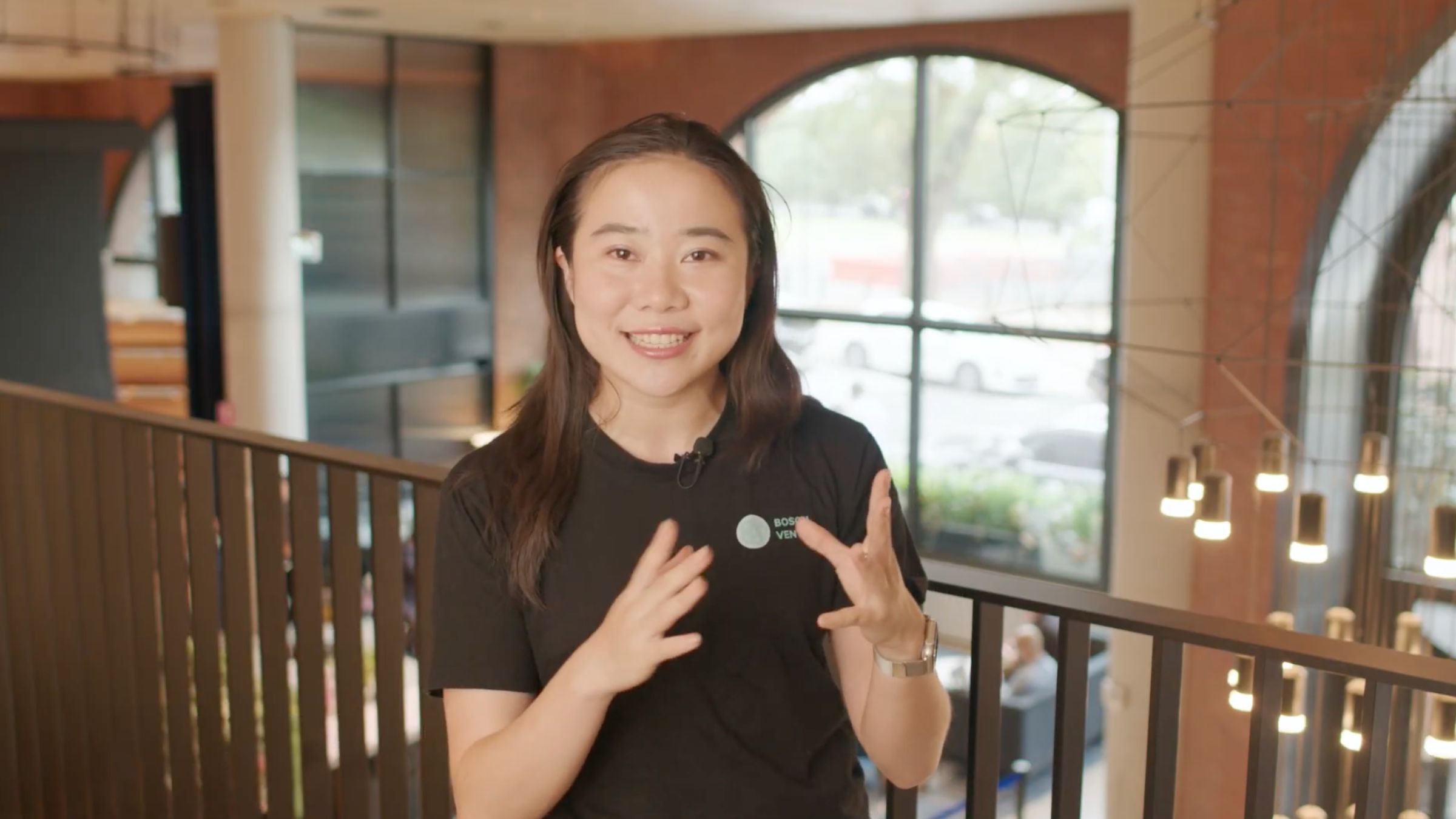
Betty Zhang, Investment Manager, Boson Ventures
The investment process is really about building trust between funder and founder. Honest, upfront conversations are important. Lack of trust can kill a deal quickly. Respectful engagement also matters, especially while investors run their process and due diligence.
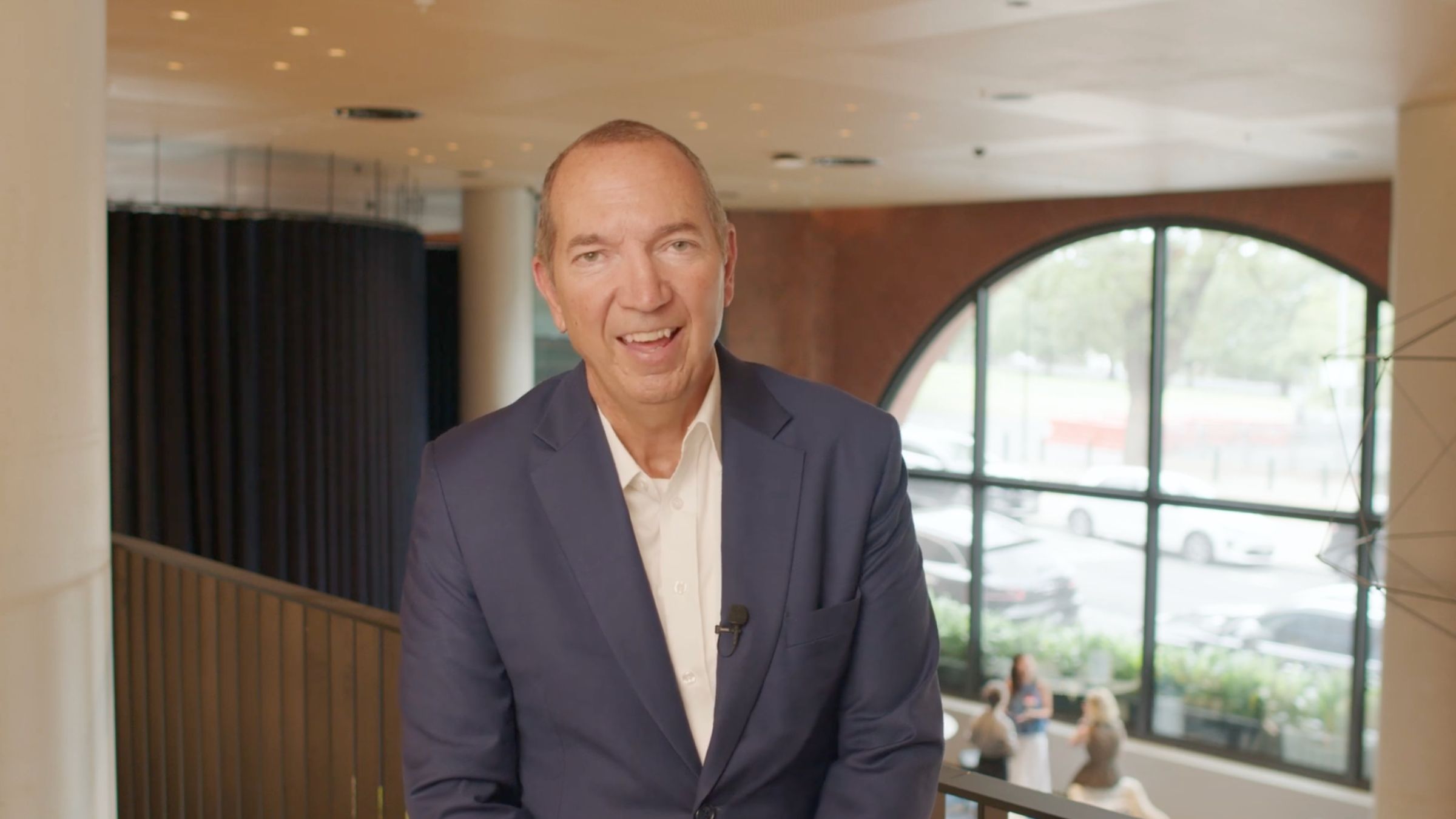
Hugh Stephens, General Partner, Galileo Ventures
A common issue is mismatch with the venture model. For venture to work, we need home-run outcomes. Some businesses can be meaningful and valuable but are not venture-scalable in the way the model requires. Founders should understand that fit and tailor the pitch accordingly.